
Can your personal representative be the same person as your trustee?

Yes, you can name the same person to be both the personal representative of your estate and the trustee of any trusts you create. What is the difference between a personal representative and a trustee? The main difference between a personal representative and a trustee is that the personal representative manages the estate while the […]
Why Every Will Needs a Residuary Clause

What is a residuary estate? The residuary estate is all property not specifically left to someone in a last will and testament. In other words, it is a “catch all” term for everything left over in an estate after all the specific gifts have all been made and all the debts and expenses have been […]
Can a personal representative also be a beneficiary of your will?

Yes, you may name one of the beneficiaries of your will to also be your personal representative. In fact, this is commonplace. Who can serve as personal representative? In order for an individual to be appointed as a personal representative in Florida, that individual must be (1) at least 18 years old, (2) mentally and […]
What happens if a will is not signed in Florida?
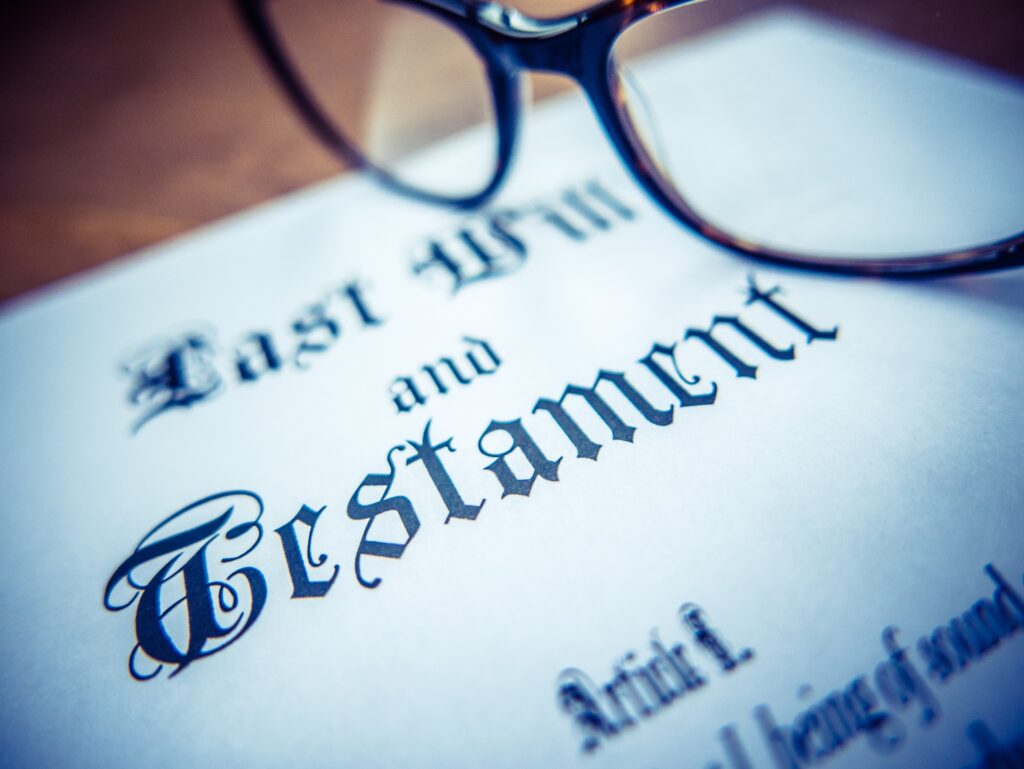
A Florida last will and testament will not be probated or enforced if it has not been signed by the testator or by one of the required witnesses. In order for a last will and testament to be probated in Florida, the will must (1) be signed by the testator at the end of the […]
Does a living will need to be notarized in Florida?

No, a living will does not need to be notarized in Florida. However, it is often wise to have the document notarized anyway. Requirements of Florida Living Will The requirements of a living will are found in section 765.302 of the Florida Statutes. Those requirements are: The living will must be signed by the principal […]
Does a personal representative need to be a family member?

No, in Florida, a personal representative does not need to be a family member or spouse, as long as the personal representative is a legal resident of the state of Florida. Who can be named as personal representative? A personal representative, also commonly known as an executor, is in charge of your estate after you […]
Should you include funeral wishes in your will in Florida?

Yes, you should include your funeral wishes in your Florida will. But you should also communicate your burial wishes to loved ones in other ways. Wills often are not read until after the funeral, so they should not be solely relied on to communicate your funeral wishes. There is no prohibition on including your funeral […]
Can a personal representative change a will?

No, generally the personal representative is not allowed to alter or ignore a validly executed last will and testament. However, if all beneficiaries of an estate make an agreement to change the distribution, then the personal representative may distribute the assets accordingly. Sometimes, what is in a will surprises beneficiaries. Perhaps everyone expected an even […]
Does Florida Allow Common Law Marriages?

No, Florida does not recognize common law marriages entered into after January 1, 1968. But if you entered into a common law marriage prior to January 2, 1968, then the marriage might be valid. Additionally, Florida recognizes valid common law marriages from other states that recognize common law marriage. However, common law marriage never applies […]
Disadvantages of a Lady Bird Deed in Florida

A Florida lady bird deed, also called an enhanced life estate deed, can be a useful estate planning tool. In fact, the lady bird deed is my favorite way to transfer a homestead. It avoids probate without giving up Florida’s homestead protections. But there are also disadvantages to using a lady bird deed, and you […]